



More Than Cookies
The Heart of Girl Scouts
By Samantha Brown
Every January, you start to see them—tables set up outside grocery stores, bright green vests, eager faces, and the familiar call: “Would you like to buy some Girl Scout cookies?” For most people, that is where the story begins and ends—a box of Thin Mints, a smile, and a transaction. But for the girls standing behind those tables, and the troop leaders and parents who support them, the story runs so much deeper.
I know this firsthand. I was a Girl Scout myself, earning badges through the Junior level. Today, I serve as a parent, a Brownie troop leader, and the “cookie mom” for our troop. My connection to Girl Scouting spans decades and roles, but my perspective has never been sharper than it is right now, watching the next generation of girls discover what this organization can do for them.
A Troop Built on Community
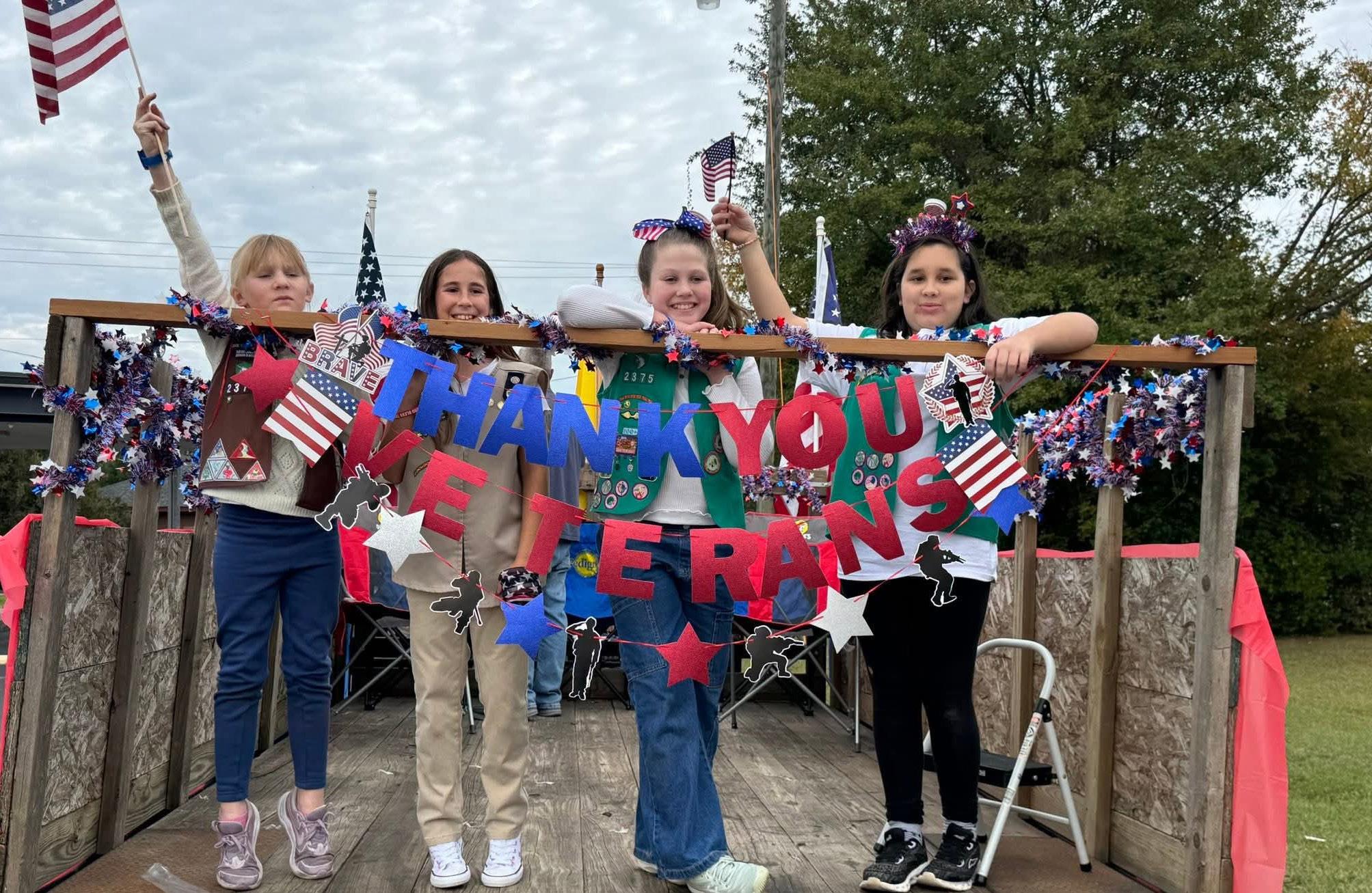
Our troop meets at Lexington United Methodist, and it is anything but typical. With roughly 30 girls ranging from kindergarteners all the way through 12th grade, we operate as a multi-level troop. This structure creates something you rarely see in organized activities for young people: genuine cross-age mentorship. Older girls lead by example. Younger girls aspire. Everyone belongs.
That sense of belonging is the quiet engine behind everything we do. It is what makes a shy second-grader raise her hand for the first time, and what inspires a high schooler to step up and guide a Brownie through a new challenge. In a world where girls are navigating social pressure, academic stress, and the constant noise of growing up, having a place that is genuinely and unconditionally theirs matters more than most people realize.
Girls Who Take Action
One of the things I am most proud of is how our girls not only talk about making a difference, but they also actually do it. During cookie season, which runs from January through March, our troop collects donations to send boxes of cookies to active-duty soldiers and local first responders. It is a small gesture with a big heart behind it, and the girls take it seriously.
The impact does not stop there. One of our girls noticed that students at her school were struggling because they could not keep their migraine medication with them during the day. She turned that observation into action, petitioning school administrators for a policy change. Another girl recognized that many of her classmates needed sensory support and created fidget kits for her local school. These are not adultled projects; they are girl-led solutions to real problems, which is exactly what Girl Scouts is designed to produce.
There is also a quieter principle guiding everything our troop does: Wherever we go, we leave it better than we find it. It sounds simple, but it speaks to a mindset of care and responsibility that these girls are building at a young age.
A Space to Try, Fail, and Grow
As a Brownie leader working with second and third graders, I have come to see that Girl Scouts give girls something they often cannot find elsewhere: a place where they are allowed to try, to fail, and to grow without judgment. In school, grades define success. In sports, scores do. In Girl Scouts, the process is the point.
The girls in my troop vote on which badges to pursue, which service projects to take on, and how they want their meetings to run. That ownership is transformative. When a child has a genuine voice in shaping her own experience, her investment in the outcome changes completely. I have watched the quietest girls in the room become the most enthusiastic contributors by year’s end, not because someone pushed them, but because they found their footing in a space that made room for them.
What stands out most is the confidence. When a girl earns a badge, she worked hard for, or helps a fellow Girl Scout accomplish a difficult task, something happens in how she sees herself. That shift from “I can’t” to “I did” is the real product of Girl Scouts, and it stays with her long after the meeting ends.
The Cookie Program: More Than Meets the Eye
No mention about Girl Scouts would be complete without an honest look at the cookie program. As Cookie Mom, I have had a front-row seat to what happens when a young girl walks up to a stranger, introduces herself, explains what she is working toward, and asks for support. For many of these girls, this is the first time they have done anything like this.
The cookie program is, in practice, a hands-on business course. The girls set goals, track their progress, handle money, practice communication, and learn to handle rejection gracefully. They discover that effort has real consequences and that a goal shared with teammates is more motivating than one pursued alone.
The funds raised go directly back into the troop. We use them for badges, supplies, service-project materials, and experiences that make Scouting memorable. When the girls set a sales goal together and then get to enjoy something they helped make possible, the pride is visible. They built that. And they know it.
An Invitation
Girl Scouts has been shaping young women for more than a century. The green vest, the badges, the cookies are the symbols most people recognize. But the substance is harder to see from the outside. It is a girl learning to lead herself, advocate for others, and believe she is capable of making a difference.
If you have a daughter, granddaughter, niece, or neighbor who could use a place like that, I encourage you to investigate your local troop. And the next time you see a table of girls outside your grocery store, stop a moment longer than usual. Ask them what they are working toward, what badge they are chasing, or what cause they are supporting. You might be surprised by the answer, and even more surprised by the confidence and conviction of the girl giving it.
Girl Scouts of South Carolina Mountains to Midlands Girl Scout Leadership
Boy Scouts of America
Indian Waters Council Boy Scout Leadership IndianWaters.org
